I’ll never forget the first time I stepped off the boat after seeing a whale shark in Saleh Bay. My body was buzzing—still salty from the sea, my mind replaying the graceful silhouette of that massive creature swimming beneath me. It was surreal. But then came a different kind of hunger. The kind that only good, honest, home-cooked food can fix.
And in Sumbawa? You’re in luck.
Beyond its famous waters and the incredible experience of spotting a sumbawa whale shark from lombok, this island is also home to some of the most underrated traditional dishes in Indonesia. The food here is earthy, fiery, comforting—and like the island itself, completely authentic.
Here’s a taste of what you shouldn’t miss while you’re here.
A Morning Meal After the Ocean: Singang Ikan
Ask any local, and they’ll tell you: there’s no better way to warm up after a cold early morning on the boat than with a bowl of singang ikan.
It’s a light, turmeric-based fish soup, usually made with the day’s freshest catch. The broth is infused with lemongrass, kaffir lime leaves, shallots, and tamarind, giving it that signature Sumbawan tang. It’s bright, aromatic, and so soothing, especially after a whale shark tour that starts before sunrise.
Locals say it “balances the wind” in your body after being on the ocean. Whether you believe that or not, it definitely hits the spot.
Sumbawa’s Bold Satay: Sate Pusut
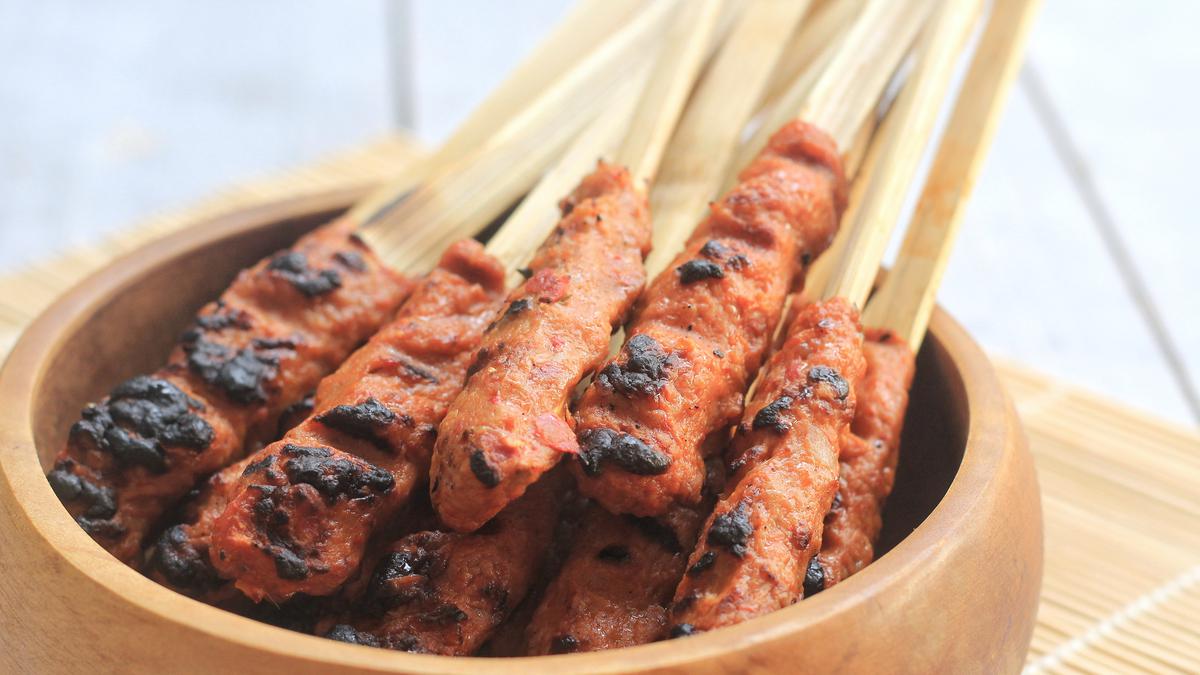
Satay in Sumbawa has its own rules. Forget peanut sauce—here, you’ll find sate pusut, a style of grilled skewers that’s richer, spicier, and wildly fragrant.
The meat (usually beef or chicken) is mixed with grated coconut, turmeric, garlic, and a generous amount of coriander before it’s wrapped tightly around skewers—often made from lemongrass stalks. The char from the grill adds a perfect smokiness, and the sambal that comes with it? Explosive.
I tried my first bite sitting on a low plastic stool beside a small roadside stall, with the ocean still shimmering behind me. I remember thinking: why isn’t this world-famous?
Uta Maju: A Taste of Village Life
I stumbled upon this dish completely by accident. We had just returned from a drive inland, visiting a small village known for its woven sarongs, when one of the women invited us to stay for lunch.
That’s how I was introduced to uta maju—a rich, dark green dish made from cassava leaves slow-cooked in coconut milk, garlic, and a touch of smoked fish or shrimp paste. It’s creamy, slightly bitter, and best enjoyed with warm rice and sambal terasi.
This is the kind of dish that doesn’t show up on tourist menus. You find it in kitchens, on family tables, passed down through generations. And when paired with stories from the women cooking it? It becomes more than just food—it’s a memory.
Sepat: A Local Star
This one surprised me the most. Sepat is a sour, spicy broth usually made with fish or beef, flavored with slices of young mango, green chilies, tomatoes, and shallots.
It’s sharp and addictive.
Locals usually serve it during gatherings or special family meals, especially when there’s fresh mango in season. After a salty swim with the gentle giants, a spoonful of sepat wakes you up like a splash of citrusy sunshine.
I was lucky to try it during a local celebration, and I ended up going back for seconds, then thirds. It’s that good.
Jaje Tujak: For the Sweet Tooth
Not all Sumbawan food is spicy. If you’ve just come back from snorkeling or diving and want something sweet, go find jaje tujak.
It’s a traditional sticky rice cake, made from glutinous rice and palm sugar, wrapped in banana leaves and steamed until tender. Sometimes it’s sprinkled with grated coconut or drizzled with thick palm syrup.
Best eaten warm, with a cup of Sumbawan coffee or tea, while watching the sun go down. Trust me, it’s the kind of snack that brings everything full circle.
Fish, Fire, and Friendships
One of my favorite meals in Sumbawa wasn’t even in a restaurant. It was after our Saleh Bay whale shark tour, when the crew invited us to join a simple grilled fish lunch right on the beach.
Freshly caught barracuda, marinated with turmeric and salt, grilled over coconut husk. Rice steamed in banana leaves. Sambal with mango and chili. No menus. No tables. Just waves, wind, and laughter.
That’s what food in Sumbawa is about. It’s unpretentious. It’s full of character. And it always tastes better when shared.
From Lombok to Sumbawa: A Journey of Taste
Many visitors come over for the day or overnight from Lombok, thanks to how easy the trip has become. If you’re planning a Sumbawa whale shark from Lombok adventure, make sure to carve out a few extra hours—or even better, a whole afternoon—to eat like a local.
Because while the whale shark experience will fill your soul, these meals will fill your heart and belly in ways you didn’t expect.
I’d even argue that part of the whale shark magic is carried through the people who protect them—and feed you afterward.